
How Can Conductive Antistatic Plastic Improve Electronic Manufacturing Processes?
Conductive Antistatic Plastic (CASP) has become a crucial material in modern electronic manufacturing due to its ability to prevent static discharge, ensuring the protection of sensitive electronic components. These plastics combine high-performance polymer matrices with conductive fillers to create materials that are both structurally robust and electrically safe. Their applications span across electronics, automotive parts, medical devices, and precision instruments, where static control is paramount.
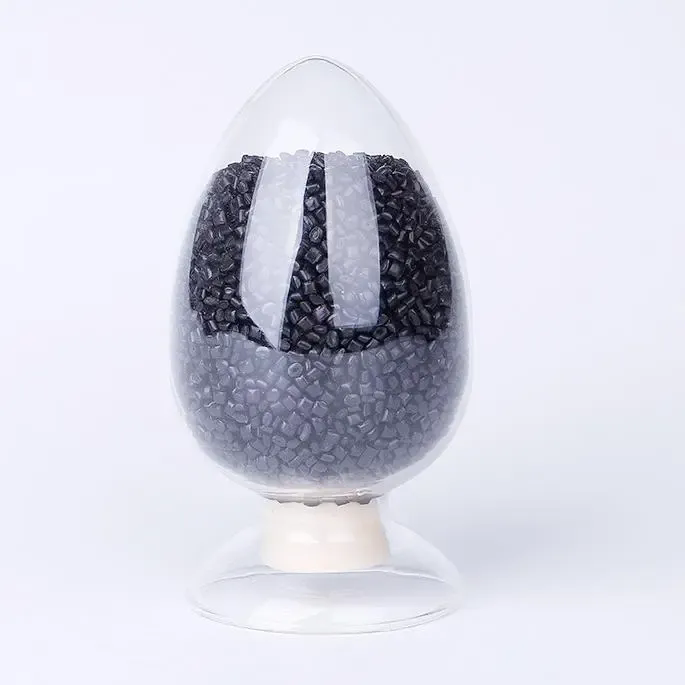
Key Specifications of Conductive Antistatic Plastic
The performance of Conductive Antistatic Plastic can vary based on the polymer type, filler content, and manufacturing process. Below is a concise overview of typical technical parameters:
| Parameter | Specification |
|---|---|
| Material Base | ABS, PC, PP, PE |
| Surface Resistivity | 10³ – 10⁸ Ω/sq |
| Volume Resistivity | 10³ – 10⁸ Ω·cm |
| Filler Type | Carbon black, metal fibers, graphite |
| Operating Temperature Range | -40°C to 120°C |
| Tensile Strength | 30–50 MPa |
| Impact Strength | 5–15 kJ/m² |
| Color Options | Customizable (Black, Grey, Transparent) |
| Flame Retardancy | UL94 V-0/V-2 available |
These parameters make Conductive Antistatic Plastic suitable for applications requiring electrical safety without compromising mechanical integrity.
How Does Conductive Antistatic Plastic Reduce Equipment Failures?
One of the primary advantages of Conductive Antistatic Plastic is its ability to dissipate static electricity. Static charges can accumulate during manufacturing, handling, or transportation of electronic components, leading to potential equipment failures or data corruption. By using CASP materials, static is safely conducted away from critical surfaces, protecting sensitive circuits.
Q&A: Common Questions About Conductive Antistatic Plastic
Q1: What is the difference between conductive and antistatic plastics?
A1: Conductive plastics have very low resistivity (typically <10⁵ Ω·cm) and allow electricity to flow freely through the material. Antistatic plastics, however, have higher resistivity (10⁵–10¹² Ω·cm) and primarily prevent charge buildup rather than actively conducting current. Selecting the correct type depends on the application’s sensitivity to static discharge.
Q2: Can Conductive Antistatic Plastic be used in high-temperature applications?
A2: Yes, many formulations of CASP can operate reliably up to 120°C or more. Material selection should consider both thermal stability and mechanical strength, especially in environments like automotive electronics or industrial machinery.
How Can Conductive Antistatic Plastic Enhance Product Durability and Design Flexibility?
Beyond electrical safety, Conductive Antistatic Plastic offers significant mechanical and aesthetic benefits. These plastics can be molded into complex shapes while maintaining high tensile and impact strength, allowing engineers to design lightweight and durable components. Additionally, the ability to customize color and surface finish ensures compatibility with both functional and consumer-facing products.
Integration of conductive fillers is carefully controlled to maintain uniformity, preventing weak spots or stress concentration. For manufacturers, this translates into consistent product performance, reduced defects, and higher yield rates in mass production.
Practical Applications
-
Electronics casings: Protect smartphones, laptops, and circuit boards from electrostatic discharge.
-
Medical devices: Ensure patient safety in sensitive diagnostic and monitoring equipment.
-
Automotive components: Prevent malfunction of sensors and control modules due to static buildup.
-
Industrial machinery: Reduce downtime caused by static-induced errors in automated systems.
By addressing both mechanical and electrical requirements, Conductive Antistatic Plastic provides a reliable solution for high-performance, long-lasting products.
How Will Conductive Antistatic Plastic Shape Future Manufacturing Trends?
As electronics continue to miniaturize and devices become more sophisticated, the demand for materials that combine electrical safety with structural performance is growing. Conductive Antistatic Plastic is poised to play a central role in this evolution. Innovations in polymer blends, nanofillers, and surface treatments are expected to enhance conductivity while maintaining flexibility and environmental resistance.
The focus on sustainability also drives research into recyclable and low-emission CASP materials, aligning with global environmental standards. Manufacturers are increasingly adopting these plastics not only to protect components but also to achieve energy efficiency and regulatory compliance.
Q&A: Future-Oriented Questions
Q1: Can CASP materials be recycled without losing conductivity?
A1: Advances in polymer processing allow selective recycling of CASP, where conductive fillers remain effective after multiple cycles. Proper sorting and thermal management during reprocessing are critical to preserving electrical and mechanical properties.
Q2: Are there any emerging alternatives to traditional conductive fillers?
A2: Yes, graphene and carbon nanotubes are being explored as high-performance fillers, offering superior conductivity at lower loading rates, which helps retain the plastic’s mechanical integrity and reduces weight.
In conclusion, Conductive Antistatic Plastic offers a unique combination of static control, mechanical strength, and design versatility. From electronics to automotive and medical applications, its adaptability ensures reliable performance under challenging conditions. Haoying specializes in producing high-quality Conductive Antistatic Plastic, providing tailored solutions to meet diverse industry requirements. For detailed product inquiries or technical support, contact us today to discuss how our materials can enhance your manufacturing processes and product reliability.
Send Inquiry


X
We use cookies to offer you a better browsing experience, analyze site traffic and personalize content. By using this site, you agree to our use of cookies.
Privacy Policy
